
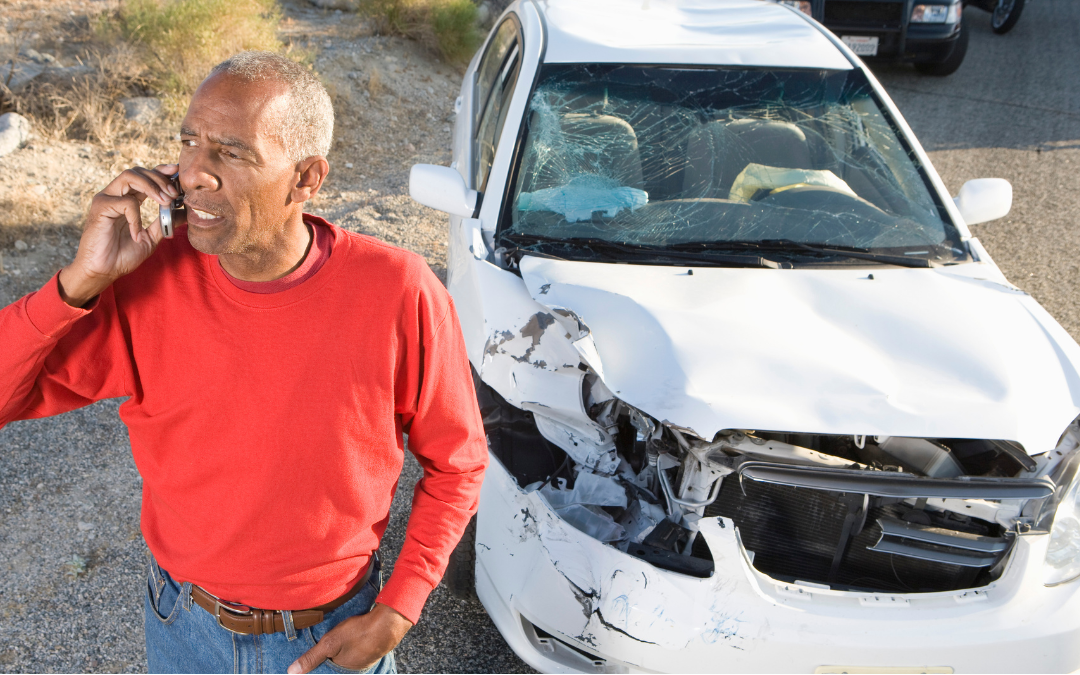
In the split seconds that follow a car accident, clarity of mind can be your most valuable asset. Knowing where to pull over after a car accident and how to get out of the way can make all the difference in ensuring your safety and preventing further incidents.
Whether you’re dealing with minor fender benders or more significant damage, finding a safe spot to assess the situation is crucial. This guide will walk you through the essential steps to take immediately after a collision, including how to safely secure your vehicle and what to do if you need to call a towing company or tow truck.
If you find yourself in need of a reliable towing company in the Des Moines, Iowa, area, then call Hanifen Towing. We’d be happy to help you out.
Choosing a Safe, Visible Location to Pull Over
Before taking any other steps, prioritize your safety and move your vehicle to a location away from oncoming traffic and potential hazards. Your primary goal should be to minimize the risk of another collision.
Where to Stop Based on Road Type:
- Highways and Interstates: Look for a flat, wide shoulder. If you’ve been in a collision on a busy Iowa interstate, a generous shoulder provides necessary space to wait for assistance without obstructing high-speed traffic. Never stop near sharp curves or hills, as these areas limit visibility for approaching drivers and drastically increase the risk of additional accidents.
- Urban Settings and City Streets: A nearby parking lot, such as a grocery store or commercial area, offers a safer and more controlled environment. This is often preferable to blocking city traffic lanes and simplifies the process of assessing damage.
As you identify a safe spot, signal early and check your mirrors frequently to alert other drivers of your intention to pull over and to ensure they are giving you the room to maneuver safely. Once stopped, immediately use your hazard lights to warn other vehicles that you are experiencing an issue.
If you must remain in a particularly hazardous location, such as a narrow shoulder or an unexpected stop, consider using cones or emergency flares a safe distance behind your vehicle to warn approaching traffic and prevent further incidents.
Immediate Post-Collision Protocol: Safety & Assessment
Once you have secured a safe location to pull over, the immediate actions you take are critical.
- Check for Injuries and Call 911: First and foremost, check yourself and any passengers for injuries. Assess everyone involved for any signs of physical harm, as some injuries may not be immediately apparent. If anyone is injured, or if the accident involves significant property damage, call 911 immediately. Emergency responders will ensure everyone receives necessary medical attention and that a police report is filed for serious incidents.
- Move the Vehicle (If Safe): If the accident is minor, and your vehicle is drivable without causing further damage, move it to the shoulder or a nearby parking lot to clear the roadway. If the damage is severe, or the road is heavily congested, it is best to wait for assistance in a safe spot without attempting to move the vehicle.
Gathering Evidence & Communicating with Authorities
Clear, composed, and courteous communication with all involved parties is essential for a smooth and hassle-free insurance claim process.
Information Exchange (The Essentials)
Exchange the following information with all other drivers involved in the car accident:
- Names and contact details.
- Insurance company name and policy numbers.
- Vehicle registration numbers.
It is paramount to be polite and cooperative, but never admit fault or offer speculation about the cause of the accident. Stick to the basic facts, as admissions can complicate the claims process and potentially be used against you later. If there are witnesses, always gather their contact information as their unbiased testimony can be invaluable.
Documenting the Scene
Thorough documentation serves as critical evidence for insurance adjusters and law enforcement. Use your smartphone or a camera to capture clear, detailed images:
- Damage to All Vehicles: Capture clear images from multiple angles of all vehicles involved, focusing on the point of impact.
- The Accident Scene: Photograph the surrounding area, including any visible road signs, traffic signals, debris, or skid marks. These details help document the conditions of the road at the time of the collision.
- Written Notes: Jot down important details like the weather, time of day, and the exact sequence of events, while the information is fresh in your mind. These written details can complement your photographic evidence.
Police Involvement
For serious incidents, it is advisable to report the accident and have a police report filed. This official document provides an accurate, unbiased account that is paramount for accuracy during the claim process. When the police arrive, provide them with clear and concise factual information, avoiding exaggeration or downplaying the severity of the incident.
Protecting Your Vehicle from Secondary Damage
Preventing secondary damage should be a top priority after the initial shock to avoid additional costs and complications. Once safely pulled over, engage the parking brake and keep the vehicle in park to prevent any accidental movement.
Don’t Drive the Vehicle If:
- Fluid Leaks: Look for fluid leaks, such as oil, coolant, or gasoline. These often indicate serious mechanical issues that could worsen if the vehicle is moved.
- Smoke: If you see any smoke coming from the engine or under the hood, your vehicle requires immediate attention from a tow truck and should not be started or driven.
If your car is not drivable, or if you notice any of these signs, it is time to contact a trusted towing service.
Emergency Roadside Kit
Keeping a well-stocked kit in your car can enhance safety while waiting for assistance. A good kit includes reflective warning triangles or flares, a first-aid kit, a flashlight, and bright, high-visibility clothing. Using these tools to alert other drivers of your presence is an effective way to minimize the risk of a secondary car accident.
Selecting a Reliable Towing Service in Des Moines, Iowa
When your vehicle is immobilized, finding a reliable and prompt tow truck service in the Des Moines, Iowa, area significantly eases the burden of recovery. For trusted assistance, Hanifen Towing is the reliable local choice ready to get your vehicle to a safe location.
Key Factors When Choosing a Towing Company:
- Availability: Accidents happen 24/7, so look for companies that provide round-the-clock support and quick response times in Des Moines.
- Reputation and Referrals: Research local towing companies on sites like Google Reviews or Yelp to find those with consistently positive feedback. Personal recommendations from friends or family are also highly valuable.
- Licensing and Insurance: Always verify the towing company’s licensing and insurance details. A licensed and insured service protects you in case of any unforeseen issues during the towing process.
- Comprehensive Assistance: Consider services that offer additional roadside amenities like lockouts, jump starts, or flat tire changes, which can be useful even outside of accident scenarios.
When you call for a tow, communicate specific, precise location details—such as the exact address or nearby landmarks and mile markers—to the towing company to ensure they can locate you quickly and efficiently.
Car Accident Towing & Safety FAQs
Q: How quickly should I call a towing service after an accident?
A: As soon as you and all passengers are checked for injuries and are in a safe location away from traffic, you should call a towing company if your vehicle is not drivable. If you are still in a hazardous location, calling 911 first is paramount, and the police can often provide recommendations for reliable local towing services. Having a trusted provider, like Hanifen Towing in Des Moines, already in mind will expedite the process.
Q: Do I have to use the towing company my insurance recommends?
A: No, in most cases, you have the right to choose your own towing company, though your insurance provider may have a list of approved vendors. Select a reliable and licensed company that you trust. The initial tow is often paid out-of-pocket and reimbursed later, or charged directly to your policy.
Q: What information should I provide the tow truck driver?
A: Provide the driver with the exact location (intersection, mile marker, or address) and a clear description of the vehicle’s condition, including what is damaged. Confirm where to tow the vehicle (e.g., your home, a repair shop, or a secure storage lot).
Q: If the damage is minor, do I still need to file a police report?
A: The law may not require police reports for minor incidents with no injuries and minimal damage. However, filing a report is generally advisable for insurance purposes, especially if you plan to make a claim. An official police report provides an impartial, documented account that prevents disputes later on.
Q: Is it safe to get out of my car after pulling over?
A: Only get out of your vehicle if you are in a location that is completely safe and clear of traffic, such as a designated shoulder or a parking lot. If you must remain on the side of a busy highway, it is often safer to stay inside your vehicle with your seatbelt fastened until emergency services arrive. If you do exit the car, stand far away from the flow of traffic.